
"Jesuit coffee"
900 article(s) found

Volcano San Marco coffee cup "cigarette coffee" Guatemala boutique coffee mellow overall texture
Volcano San Marco coffee cup measurement characteristics (VolcanicSanMarcoscupprofile) aroma and taste with subtle floral aroma, obvious acidity and good alcohol thickness. Coffee was really introduced into Guatemala in 1750 by Father Jesuit, where the coffee industry was developed by German colonists at the end of the 19th century. Today, most of the coffee industry's production takes place in the south of the country. Dangerous land

The priest introduced the coffee tree to Guatemala
In 750, Father Jesuit introduced coffee trees to Guatemala, where the coffee industry was developed by German colonization at the end of the 19th century. Today, most of the coffee industry's production takes place in the south of the country. Here, the slopes of the Sierra Madre volcano provide ideal conditions for growing high-quality coffee beans and the vitality of coffee growing at high elevations.
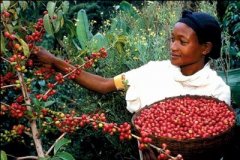
The extra-hard coffee beans here in Guatemala are full-grained, delicious and balanced.
The extra-hard coffee beans here are full-grained, delicious and balanced, and the coffee made with them is pure and rich. Guatemala coffee once enjoyed a reputation as the best quality coffee in the world, but its quality also declined for a time. What is gratifying, however, is that its reputation is gradually being restored. In 1750, Father Jesuit introduced coffee trees to Guatemala, at the end of the 19th century.

Central and South American Coffee Flavor washing Raw Coffee beans at La Tisa Manor in Guatemala
Coffee was really introduced into Guatemala in 1750 by Father Jesuit, where the coffee industry was developed by German colonists at the end of the 19th century. Today, most of the coffee industry's production takes place in the south of the country. There are seven main coffee producing areas in Guatemala: Antigua, Coban, Atitlan and Huehuete.

Guatemala Latissa Estate Coffee Type Estate Introduction
Coffee was introduced to Guatemala in 1750 by Father Jesuit, and German colonists developed the coffee industry in the late 19th century. Today, most of the coffee industry is produced in the south of the country. Guatemala has seven major coffee-producing regions: Antigua, Coban, Lake Atitlan and Huehuete

Introduction to the appearance characteristics of Guatemalan coffee beans
In 1750, Father Jesuit introduced coffee trees to Guatemala, where the coffee industry was developed by German colonization at the end of the 19th century. Today, most of the coffee industry's production takes place in the south of the country. Here, the slopes of the Sierra Madre volcano provide ideal conditions for growing high-quality coffee beans, coffee plants growing at high altitudes.

Guatemala Republic Coffee beans Flower-scented Coke of La Tisa Manor on the Farahan Plateau of Guatemala
Coffee was really introduced into Guatemala in 1750 by Father Jesuit, where the coffee industry was developed by German colonists at the end of the 19th century. Today, most of the coffee industry's production takes place in the south of the country. There are seven main coffee producing areas in Guatemala: Antigua, Coban, Atitlan and Huehuete.
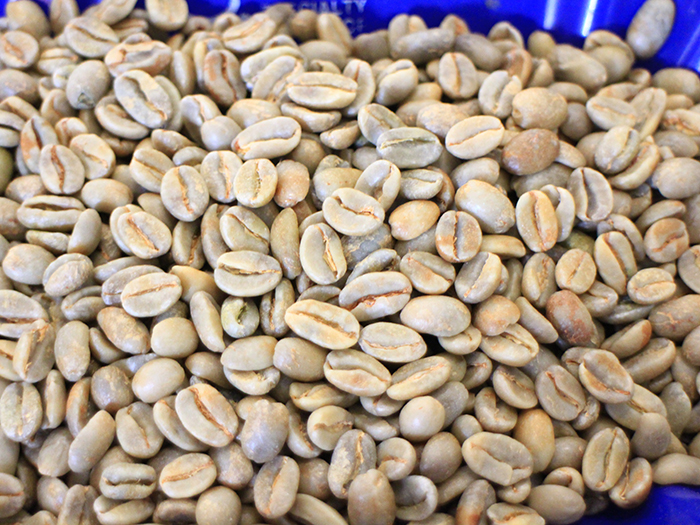
Washed coffee beans in Guardia La Tisa Manor Bourbon Kaddura fresh hard beans at high altitude
Coffee was really introduced into Guatemala in 1750 by Father Jesuit, where the coffee industry was developed by German colonists at the end of the 19th century. Today, most of the coffee industry's production takes place in the south of the country. There are seven main coffee producing areas in Guatemala: Antigua, Coban, Atitlan and Huehuete.

Introduction of Guatemalan Fine Coffee Flavor of Guatemalan Coffee
In Guatemala in 1750, Father Jesuit introduced coffee trees to Guatemala (Guatemala), where German colonists developed the coffee industry at the end of the 19th century. Today, most of the coffee industry's production takes place in the south of the country. Coffee production in Guatemala: the slopes of SierraMadre volcano provide ideal conditions for growing high-quality coffee beans.

Colombian coffee bean flavor map rich flavor Colombian coffee
The exchange of professional baristas please follow the coffee workshop (Wechat official account cafe_style). It is said that the coffee seeds of the 19th century were brought to Colombia by Jesuit priests from Venezuela and Guyana. For the first time, coffee is grown in eastern Colombia. The second half of the 19th century. Colombian coffee has expanded to the international market. Gradually, the United States became the most important coffee.
Guatemala Antigua Flower Coffee
Coffee was really introduced into Guatemala in 1750 by Father Jesuit, where the coffee industry was developed by German colonists at the end of the 19th century. Today, most of the coffee industry's production takes place in the south of the country. There are seven main coffee producing areas in Guatemala: Antigua, Coban, Atitlan and Huehuet.

Guatemala Antigua Coffee Bean Flavor Description Processing Characteristics Grinding Scale Introduction
Guatemala Antigua Coffee Bean Flavor Description Processing Characteristics Grinding Scale Introduction Coffee was really introduced to Guatemala in 1750 by Father Jesuit, and German colonists developed the coffee industry here in the late 19th century. Today, most of the coffee industry is produced in the south of the country. Guatemala has seven major coffee-producing regions: Antigua, Coburn, and the Caribbean.
Boutique coffee recommends Guatemalan coffee
In 1750, Father Jesuit introduced coffee trees to Guatemala, where the coffee industry was developed by German colonists at the end of the 19th century. Today, most of the coffee industry's production takes place in the south of the country. Coffee production in Guatemala: the slopes of SierraMadre volcano provide ideal conditions for growing high-quality coffee beans at high altitudes.

How to pour coffee into Vietnam and leak the origin of Vietnamese coffee
The origin and development of coffee in Vietnam was brought to Vietnam by French Jesuit missionaries around 1860. In the past 150 years, Vietnam has gradually developed its own unique coffee culture. Today, walking from Ho Chi Minh City, the largest city in the south, to Sapa, a mountain city on the border between China and Vietnam,

Guatemala Latissa estate washed fine coffee beans story allusions
Professional barista exchanges, please pay attention to coffee workshop (Weixin Official Accounts cafe_style ) Coffee was really introduced into Guatemala in 1750, introduced by Father Jesuit, and German colonists developed the coffee industry here in the late 19th century. Today, most of the coffee industry is produced in the south of the country. Guatemala has seven major coffee-producing areas: Antigua, Coburn

Rich volcanic soil, low moisture Guatemalan coffee plantations
Coffee was really introduced into Guatemala in 1750 by Father Jesuit, and the coffee industry was developed by German colonists at the end of the 19th century. Today, most of the coffee industry's production takes place in the south of the country. There are seven major coffee producing areas in Guatemala, and the flavor of the coffee produced in each area is different, but to sum up, the coffee in Guatemala is all

Colombian coffee features taste Colombian coffee history Colombian coffee story of Colombian coffee
Professional coffee knowledge exchange more information about coffee beans Please follow Coffee Workshop (official Wechat account cafe_style) washed Arabica from Colombia today, Colombia is considered to be one of the most advanced specialty coffee producers in the world. Temperature, altitude, solar radiation and water availability all affect water quality, but soil is probably the most important component in Colombia because

A global coffee producer in Guatemala.
In 1750, Father Jesuit introduced coffee trees to Guatemala, where the coffee industry was developed by German colonists at the end of the 19th century. Today, most of the coffee industry's production takes place in the south of the country. Coffee production in Guatemala: the slopes of SierraMadre volcano provide ideal conditions for growing high-quality coffee beans at high altitudes.
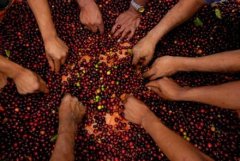
Coffee flavors from different coffee producing areas around the world coffee producing areas in Guatemala
In Guatemala in 1750, Father Jesuit introduced coffee trees to Guatemala (Guatemala), where German colonists developed the coffee industry at the end of the 19th century. Today, most of the coffee industry's production takes place in the south of the country. Coffee production in Guatemala: the slopes of SierraMadre volcano provide ideal conditions for growing high-quality coffee beans.

Flavor and taste characteristics of Guatemalan coffee
Taste characteristics editor Guatemala Antigua coffee flavor characteristics: full-bodied, rich taste, with tobacco flavor. The palate is soft and smooth, with a slightly charcoal-burning flavor in the mellow, as if the sweetness of chocolate is mixed with smoke. Because of this unique charcoal incense, Antigua coffee, also known as cigarette coffee, was really introduced to Guatemala in 1750 by Jesuit.